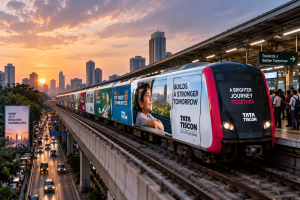
Micro-Zone Targeting in Delhi NCR Using Bus Shelter Advertising Networks
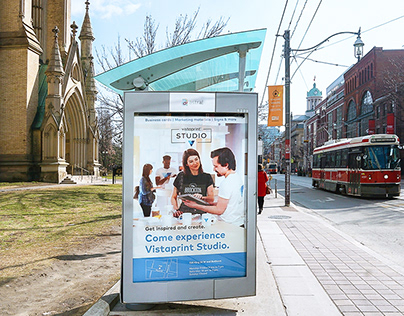
Micro-zone targeting in Delhi NCR using bus shelter advertising networks helps brands reach hyperlocal audiences effectively.
Delhi NCR is one of India’s most complex and densely populated urban markets. With varied income groups, commuting patterns, and neighbourhood identities, city-wide advertising often leads to message dilution. Therefore, brands increasingly rely on micro-zone targeting in Delhi NCR using bus shelter advertising networks to reach specific audiences with greater precision.
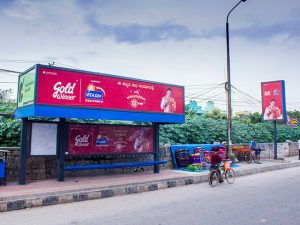
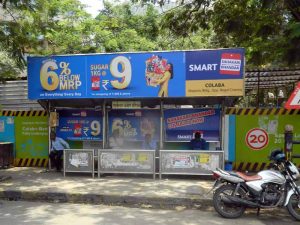
Bus shelters form one of the most structured and location-specific outdoor media networks in the region. When planned strategically, they enable advertisers to target neighbourhood clusters, commuter routes, and lifestyle zones with minimal wastage and maximum relevance.
Understanding Micro-Zone Targeting in Urban Advertising
Micro-zone targeting refers to advertising within defined local catchments rather than across an entire city. In Delhi NCR, this approach is essential due to sharp demographic contrasts between zones such as South Delhi, Dwarka, Noida, Gurugram, Ghaziabad, and Faridabad.
Bus shelter networks support micro-zoning because each shelter is permanently mapped to a specific locality, road, and commuter profile.
As a result, brands can deliver hyperlocal visibility.
Why Bus Shelter Advertising Is Ideal for Micro-Zone Targeting
Fixed Geographic Precision
Each bus shelter serves a specific residential or commercial pocket. Unlike mobile media, shelters do not shift locations.
Therefore, advertisers gain consistent exposure within chosen micro-markets.
High Frequency Daily Exposure
Commuters often pass the same shelter twice a day. This repetition strengthens message retention and improves local brand familiarity.
Frequency is especially powerful in neighbourhood-driven campaigns.
Strong Alignment with Daily Movement Patterns
Bus shelters are positioned along arterial roads, feeder routes, and high-footfall corridors.
As a result, brands capture attention during predictable commuting windows such as morning and evening peak hours.
Key Micro-Zones in Delhi NCR for Bus Shelter Advertising
Residential Micro-Zones
Areas such as Rohini, Dwarka, Mayur Vihar, Indirapuram, and Greater Noida West house dense residential populations.
Bus shelter advertising here supports:
-
Local service promotion
-
Retail awareness
-
Education and healthcare branding
Commercial and Office Corridors
Zones including Connaught Place, Cyber City, Noida Sector 62, and Nehru Place witness heavy weekday movement.
Advertising in these clusters helps brands reach working professionals and decision-makers.
Transit and Connector Routes
Roads connecting metro stations, ISBT terminals, and arterial highways generate continuous footfall.
Bus shelters along these routes deliver high-volume impressions with strong repetition.
Strategic Advantages of Bus Shelter Networks in Delhi NCR
Reduced Media Wastage
Instead of city-wide hoardings, advertisers focus budgets on high-performing pockets.
This improves efficiency and cost control.
Localised Messaging Opportunities
Brands can tailor creatives by zone. For example:
-
Premium messaging in South Delhi
-
Value-led messaging in peripheral NCR areas
-
Education and healthcare messaging near residential belts
This localisation enhances relevance.
Enhanced Brand Trust Through Local Presence
Repeated exposure in neighbourhood infrastructure builds credibility. Over time, brands appear embedded within the local environment rather than operating as outsiders.
Industries That Benefit Most from Micro-Zone Bus Shelter Campaigns
This strategy is particularly effective for:
-
Real estate developers
-
Education institutions
-
Hospitals and clinics
-
Banks and financial services
-
Retail chains and QSR brands
These sectors rely heavily on catchment-based visibility.

Best Practices for Micro-Zone Targeting Campaigns
Map Zones Using Demographic Insights
Before selection, brands should analyse:
-
Income levels
-
Commuter density
-
Residential vs commercial balance
Accurate mapping improves campaign outcomes.
Maintain Creative Consistency Across Selected Zones
While messaging may vary slightly, core brand identity must remain consistent to strengthen recall.
Run Campaigns for Minimum 4–6 Weeks
Micro-zone trust building requires continuity. Short bursts reduce effectiveness.
Longer durations deliver stronger results.
Measuring Campaign Effectiveness
Advertisers typically track:
-
Local enquiry increase
-
Store walk-ins
-
Website traffic from targeted areas
-
Brand recall surveys
Bus shelter campaigns often demonstrate strong correlation with neighbourhood-level response.
Role of Bus Shelters in Integrated Delhi NCR Advertising
When combined with metro station ads, digital screens, and local activations, bus shelters act as frequency drivers.
This layered approach strengthens dominance within selected micro-zones.
Conclusion
Micro-zone targeting in Delhi NCR using bus shelter advertising networks enables brands to replace broad visibility with precise local influence. By focusing on neighbourhood-level exposure, advertisers achieve stronger relevance, higher recall, and improved conversion potential.
In a fragmented urban market like Delhi NCR, bus shelter advertising remains one of the most effective tools for hyperlocal brand strategy.