Auto Rickshaw Advertising for Hyperlocal Market Penetration
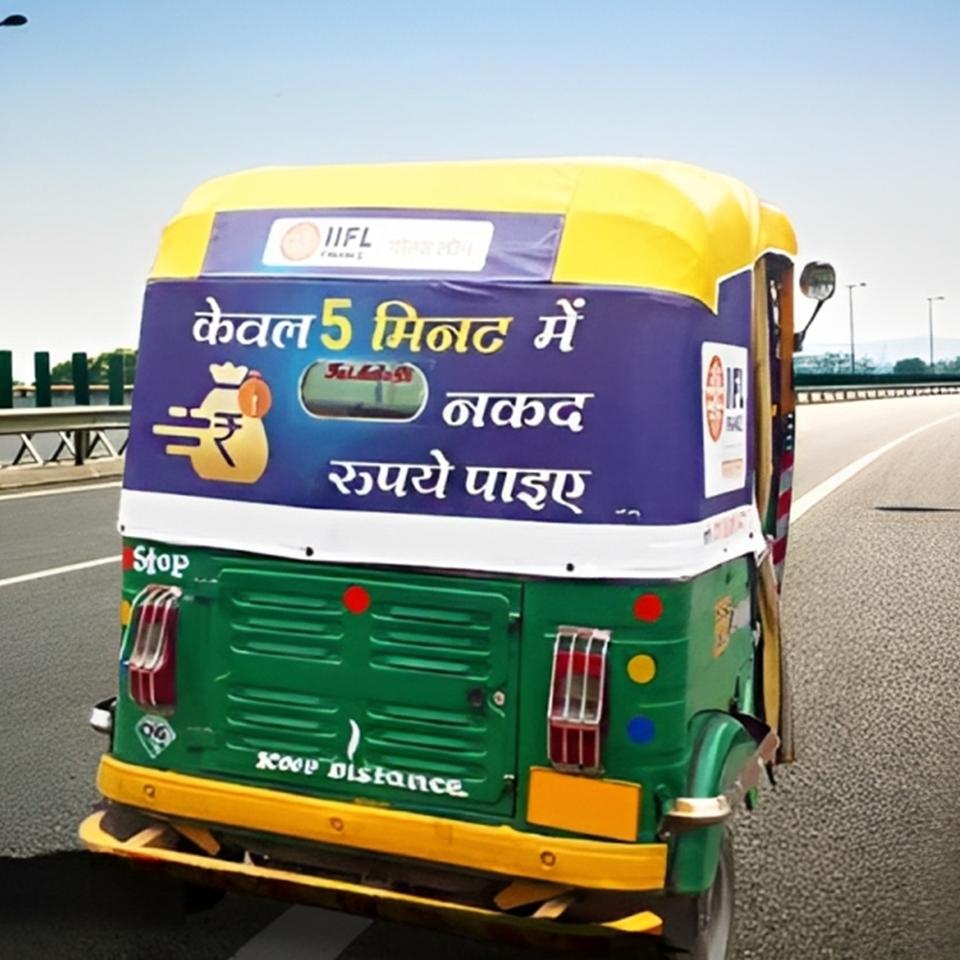
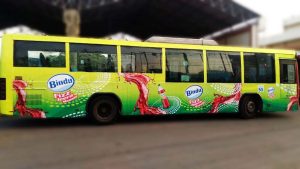
In the bustling streets of India, where high-tech digital ads often get lost in the noise, a humble three-wheeled vehicle is emerging as the ultimate marketing weapon. Auto rickshaws are the true “veins” of Indian cities, reaching the narrowest lanes and the most crowded markets where massive billboards simply cannot go. In 2026, Auto Rickshaw Advertising has evolved from simple posters into a sophisticated, data-driven strategy for hyperlocal market penetration.
For a local business, this is not just an ad; it is a moving brand ambassador that lives where your customers live.
1. The “Eye-Level” Advantage
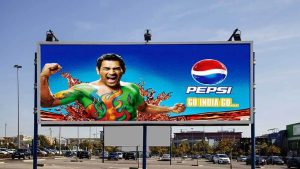
The most powerful thing about auto rickshaw branding is its physical position. Unlike giant hoardings that are 40 feet in the air, auto ads are at eye level. Whether you are a pedestrian waiting to cross the road, a driver stuck in a traffic jam, or a commuter in the back seat, the ad is right in your face.
In cities like Bengaluru, Mumbai, or Delhi, where traffic congestion is a daily reality, “dwell time” (the time a person spends looking at an ad) is incredibly high. When a person is stuck behind an auto for five minutes, they have no choice but to read your message. This creates a psychological “imprint” that a five-second digital scroll can never match.
2. Deep Hyperlocal Penetration
Auto rickshaws are the masters of the “last mile.” They don’t just stay on the highways; they go into residential colonies, stand outside metro stations, and park near local vegetable markets.
For a neighborhood business like a new diagnostic center, a coaching institute, or a retail store this is pure gold. You can choose to brand a fleet of 50 autos that only operate in a specific 5-kilometer radius. This ensures that every rupee of your budget is spent on people who are actually within walking distance of your shop.
3. The “Phygital” Upgrade: QR Codes and Tracking
Gone are the days when you had to guess if your auto ads were working. In 2026, “Smart Autos” are the norm.
-
QR-Driven Commerce: Most auto ads now feature large, scannable QR codes. A passenger sitting in the back can scan the code to get an instant discount or book an appointment while they travel.
-
GPS Route Tracking: Agencies now provide GPS-linked data to brand owners. You can see a heat map of where your “mobile billboards” traveled during the day, giving you a clear picture of which neighborhoods were covered.
4. Cost-Effectiveness for Small Businesses
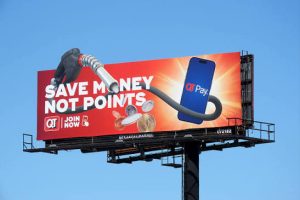
One of the biggest barriers for small businesses is the high cost of traditional OOH (Out-of-Home) media. A single prime hoarding in a metro city can cost lakhs per month. In contrast, auto rickshaw branding is incredibly affordable.
You can brand a single auto for as low as ₹400 to ₹600 per month. For the price of one billboard, a business can have a fleet of 100 autos roaming the streets. This “mass effect” makes the brand appear much larger and more established than it might actually be.

5. Trust and Neighborhood Familiarity
In India, we often have a “regular” auto driver. There is an inherent trust in these local transporters. When a local brand is displayed on a neighborhood auto, it gains a “seal of approval” from the community. It doesn’t feel like a cold, corporate advertisement; it feels like a recommendation from a local who knows the area. For sectors like real estate or healthcare, where trust is everything, this local connection is a game-changer.
Conclusion
Auto rickshaw advertising is “street-smart” marketing at its best. It combines mobility, frequency, and extreme local targeting into a low-cost package. In 2026, as the digital space becomes more cluttered and expensive, the brands that win will be the ones that stay visible on the ground. To dominate your local market, you don’t need to be on every smartphone—you just need to be on every street corner.