The Retail Proximity Effect: How Mall Advertising Influences Consumers When Brands Are Only Steps Away??
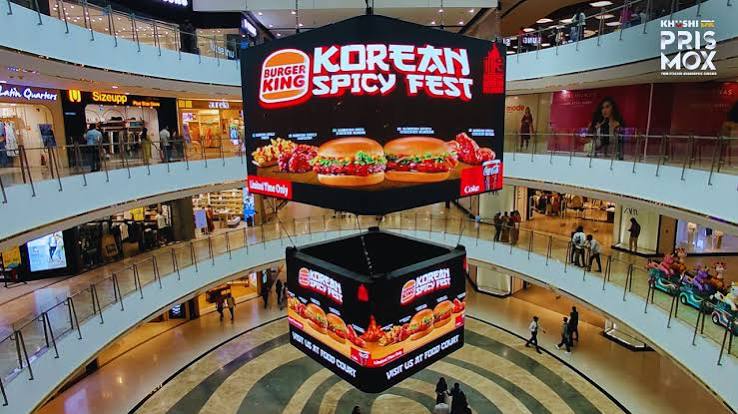
Mall environments bring brands and consumers closer together than almost any other advertising space. When shoppers see an advertisement just a few steps away from a store, kiosk, or product display, the distance between awareness and action becomes extremely small. This creates a powerful opportunity for brands to influence decisions at the exact moment consumers are already in a shopping mindset.
What Is the Retail Proximity Effect?
The Retail Proximity Effect describes the influence created when advertising appears close to the physical location where a purchase or brand interaction can happen. Instead of simply creating awareness, the advertisement can immediately connect the message with a nearby retail destination.
A shopper may notice a product on a digital screen, pillar branding, escalator panel, or mall entrance display and then encounter the same brand moments later inside a store. This repeated exposure within a short physical distance can make the brand feel more accessible and relevant.

Why Mall Advertising Works at the Point of Consideration
Mall visitors are often already prepared to browse, compare, discover, and purchase. Unlike traditional outdoor environments where consumers may see an advertisement while travelling somewhere else, mall advertising reaches people inside an active commercial environment.
A strategically positioned campaign can influence shoppers before they enter a store, while they are walking through retail corridors, or while they are deciding which brands to explore. The closer the advertisement is to the retail opportunity, the easier it becomes to connect visibility with action.
Turning Distance Into Decision-Making Power
Physical proximity can reduce the gap between seeing and doing. When consumers know that a store is nearby, an advertisement does not require them to remember the brand for later. It can encourage an immediate visit.
For example, a fashion brand can use mall media near an escalator leading toward its store. A food brand can advertise near a food-court entrance. A technology company can create product visibility close to its retail experience. In each case, the location strengthens the message.
Building Stronger Brand Recall Through Repetition
Mall journeys naturally expose consumers to the same spaces multiple times. Shoppers may pass a branded pillar, digital screen, elevator panel, or storefront several times during a single visit. Consistent creative execution across these touchpoints can create stronger visual recognition.
This repetition becomes even more valuable for brands operating in competitive categories, where consumers are comparing several options within the same environment.
Creating an Immersive Brand Journey
Effective mall advertising should not feel disconnected from the shopping experience. The strongest campaigns can guide consumers from awareness to curiosity and finally toward a physical brand interaction.
Creative displays, directional messaging, storefront branding, experiential installations, and digital screens can work together to create a connected journey. Instead of one isolated advertisement, the mall becomes an extended communication channel for the brand.
.