Airport Advertising Formats for Premium Brand Positioning in India
Airport advertising in India has undergone a massive shift. In 2026, it’s no longer just about placing a logo on a wall; it’s about “experience” and “exclusivity.” For premium brands think luxury cars, high-end watches, or private banking the airport is the only place where you get a 100% concentration of high-net-worth individuals (HNIs) who are in a relaxed, receptive state of mind.
If you want to position your brand at the top of the pyramid, here are the high-impact formats dominating Indian airports today.
1. 3D Anamorphic Displays: The “Social Media Bait”
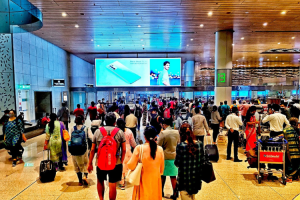
The biggest trend at airports like Mumbai T2 and Bengaluru’s Terminal 2 is the 3D Anamorphic Screen. These are large LED displays advertising that use “naked-eye 3D” technology to make products look like they are popping out of the screen.
For a premium brand, this is a double win. First, it stops travelers in their tracks. Second, people almost always record these ads on their phones and share them on Instagram or LinkedIn. This gives your brand a “tech-forward” and “premium” image while gaining free viral reach.

2. Programmatic DOOH (pDOOH): Surgical Precision
In 2026, premium brands don’t show their ads to everyone. With Programmatic Digital Out-of-Home, a luxury brand can choose to display its ad specifically when an international flight from London, Dubai, or Singapore lands.
Instead of paying for 24/7 visibility, you bid for “moments.” You show your ₹50 Lakh watch ad only to the person walking out of the First Class or Business Class gate. This is not just cost-effective; it ensures your brand maintains a sense of “selective exclusivity.”
3. Lounge Branding: The “Quiet Luxury” Strategy
The VIP lounge is the ultimate sanctuary for HNIs. Here, the audience isn’t rushing; they have 60 to 90 minutes of “dwell time.” Premium brands are moving away from loud posters and toward Experiential Branding.
Instead of an ad, imagine a “branded sensory zone” a lounge corner with your signature scent, high-speed charging pods branded with your logo, or a digital library curated by your brand. When you provide a luxury service (like comfort or connectivity), the trust in your brand doubles instantly.
4. Impact Walls and Terminal Wraps
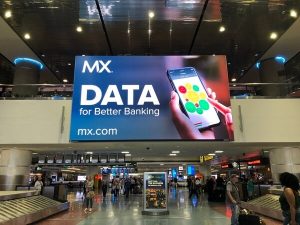
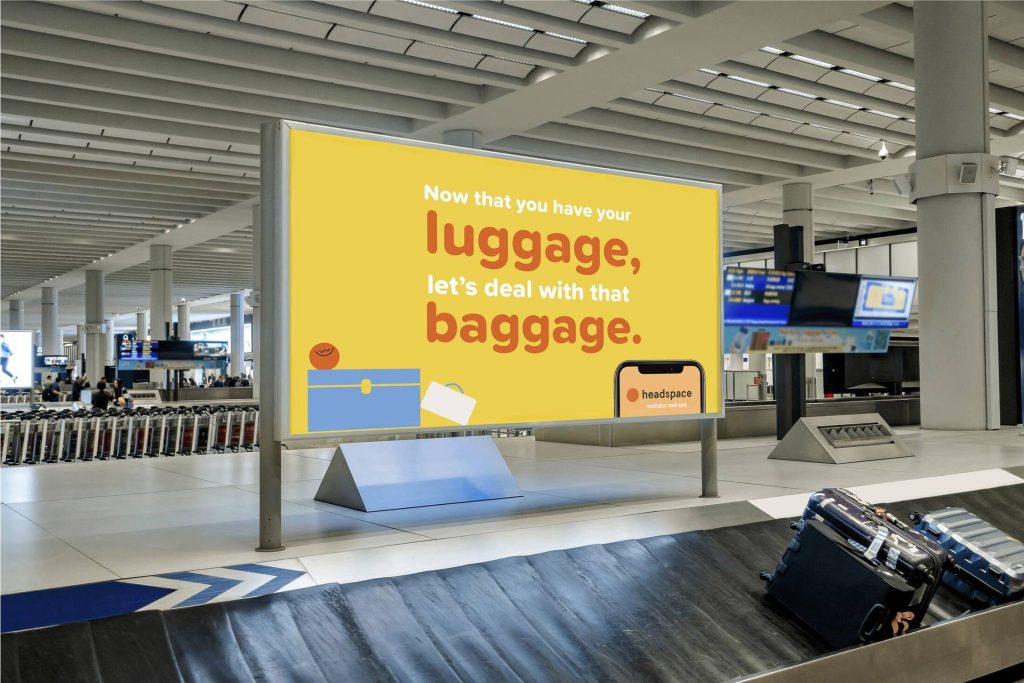
At arrival halls, especially near the baggage belts, passengers stand still for 15 to 20 minutes. This is where Impact Walls (massive, high-resolution backlit panels) work best.
Premium real estate and wealth management firms use this space for detailed storytelling. Because the passenger is stationary, they actually have the time to look at a 4K rendering of a luxury villa or scan a QR code to book a private consultation. In these high-dwell zones, “size matters” as it reflects the scale of the brand.

5. The “Phygital” Boarding Bridge
The walk from the gate to the plane (the Aerobridge) is a high-anticipation zone. Branding the interior of these bridges with “minimalist luxury” clean visuals with very little text creates a premium aura. In 2026, many of these are “Phygital,” where NFC-enabled panels allow travelers to tap their phone and get an exclusive “Airport-only” digital brochure or invite to a boutique launch.
6. Sustainable “Green” Branding
For the 2026 premium traveler, Sustainability is the new Status Symbol. Brands that use eco-friendly LED screens or displays made from recycled materials are gaining more “brand love.” Highlighting your brand’s green initiatives in an airport a place where people are already thinking about their carbon footprint builds a deep, values-based trust that simple product ads can’t achieve.