Case Study: How Brands Boost Sales Using Mall Branding & Retail Media
See how mall branding and retail media help brands increase sales, boost engagement, and drive measurable results in India’s top malls.
In India’s fast-changing retail landscape, mall branding and retail media have become vital for brands aiming to connect directly with shoppers. As more consumers spend leisure time in malls, these spaces offer an opportunity to turn visits into purchase-driven experiences.
From eye-catching digital screens to engaging in-mall activations, marketers are discovering new ways to influence purchase behavior and create lasting impressions. This case study explains how leading brands are using mall branding and retail media to boost both visibility and sales.
What Mall Branding and Retail Media Mean
Before exploring case examples, it helps to understand these terms clearly.
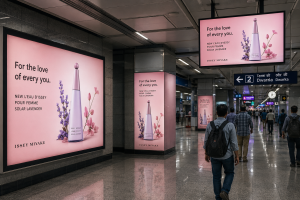
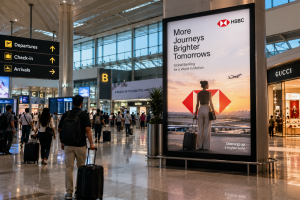
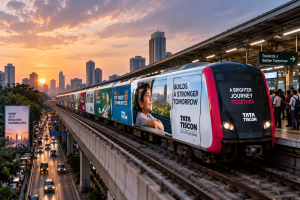
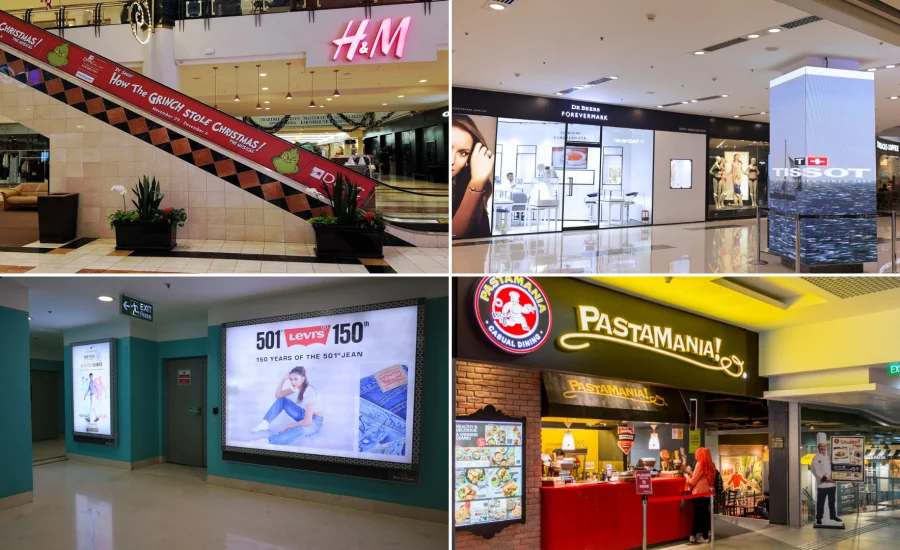
Mall Branding involves using visible spaces within shopping centers — banners, digital LED screens, escalator wraps, kiosks, and interactive zones — to advertise a brand. These placements capture the attention of people already in a buying mindset.
Retail Media, on the other hand, refers to advertising through a retailer’s own network — either physically inside the store or digitally through their in-store apps and displays. It focuses on influencing purchase decisions at the point of sale.
Together, these strategies form an influence loop — where shoppers see, engage, and act — often within the same visit.
Why Malls Are an Ideal Advertising Environment
Malls are now more than shopping venues; they’ve evolved into lifestyle destinations. As per a 2025 retail study, India’s organized mall sector attracts nearly 500 million monthly visitors. That scale offers unmatched advertising potential.
Moreover, mall visitors are relaxed, open-minded, and ready to explore new brands. This makes mall spaces ideal for experience-led storytelling that triggers immediate action.
Here’s why brands prefer mall branding today:
-
High dwell time ensures multiple ad exposures per visit.
-
Targeted audience of professionals, families, and youth with disposable income.
-
Emotionally engaging spaces that allow sensory and visual impact.
-
Purchase-ready mindset, making ads more likely to convert.
Consequently, mall branding combines visibility, engagement, and conversion — all within one platform.
Case Study 1: FMCG Brand Boosts Sales by 28% via In-Mall Activation
A leading beverage company launched a new ready-to-drink juice in summer and wanted quick awareness among health-conscious urban families.
Strategy
The campaign focused on five major malls in Delhi, Mumbai, and Bengaluru. Each site featured:
-
Sampling kiosks near food courts.
-
LED ads on large atrium screens.
-
QR-linked coupons offering discounts at nearby stores.
To make engagement stronger, promoters encouraged visitors to scan codes and instantly redeem offers.
Results
-
28% increase in product sales within six weeks.
-
40% higher recall rate compared to static billboards.
-
Over 50,000 direct interactions during the campaign.
Takeaway: When brands combine experience with instant digital redemption, sales follow naturally.
Case Study 2: Fashion Label Increases Store Visits by 35%
A mid-tier fashion label introduced a sustainable clothing range but noticed low footfall at its new store. The goal was to attract eco-conscious shoppers already inside the mall.
Strategy
The brand chose a mix of visual and experiential formats:
-
Escalator and pillar wraps near main entrances.
-
Pop-up fashion booths during weekends.
-
Interactive digital screens showcasing the eco-friendly collection.
Promoters handed out vouchers redeemable inside the store, ensuring measurable conversion.

Results
-
35% rise in store visits within eight weeks.
-
18% uplift in sales conversion during the campaign period.
-
Improved brand perception as sustainable and stylish.
Takeaway: Mall branding bridges the gap between digital awareness and real-world discovery.
Case Study 3: Tech Brand Uses Retail Media to Multiply Engagement by 4x
A global smartphone maker launching a flagship model wanted to dominate high-traffic malls during the festive season.
Strategy
The brand installed AI-powered digital retail screens across electronic stores and mall corridors. These screens played contextual content depending on time and crowd density. Visitors could:
-
Participate in real-time polls via QR codes.
-
Watch interactive product demos.
-
Attend influencer-led mini events in mall atriums.
Results
-
4x higher engagement compared to static ads.
-
25% increase in store traffic across branded outlets.
-
Hundreds of social media shares through user-generated videos.
Takeaway: Retail media, when combined with interactivity and data, can amplify attention and drive conversions.
The Measurable Advantage of Retail Media
Unlike traditional outdoor advertising, retail media provides quantifiable insights. Brands can track:
-
Number of people who viewed the display.
-
Footfall movement via sensors or heat maps.
-
QR code scans and offer redemptions.
-
Real-time impressions from digital screens.
As a result, every campaign can be optimized — making retail media both creative and accountable.
Benefits of Mall Branding for Modern Marketers
-
Captive Audience: Shoppers are relaxed and more receptive to brand stories.
-
Premium Image: Ads inside malls elevate brand perception.
-
Hyperlocal Reach: Brands can target specific catchment zones.
-
Integrated Engagement: Combine static displays with experiential booths for impact.
-
Instant Conversion: Digital touchpoints allow quick action from awareness to sale.
Therefore, mall branding doesn’t just build visibility — it actively drives measurable ROI.
Tips to Maximize Mall Advertising Impact
-
Choose Malls Strategically: Align audience demographics with your target segment.
-
Mix Media Formats: Use LED screens, wraps, and live kiosks together.
-
Leverage Events: Sponsor seasonal festivals or weekend carnivals for footfall peaks.
-
Design for Movement: Use short, vibrant messages readable at a glance.
-
Integrate Technology: Use QR codes, NFC, or AR to connect offline audiences online.
These tactics ensure your mall campaign remains engaging and performance-driven.
The Future of Retail Media in India
Retail media is evolving fast, powered by digital transformation and data analytics. By 2026, malls will increasingly adopt:
-
AI-based DOOH screens with facial recognition for audience targeting.
-
Augmented reality installations for immersive product trials.
-
Sustainable ad materials to align with eco-friendly brand goals.
Even Tier-II and Tier-III cities are joining this revolution as new malls integrate smart retail technology. Consequently, mall advertising will soon combine entertainment, information, and commerce in one unified platform.
Conclusion
Mall branding and retail media are reshaping how Indian consumers discover, interact with, and buy from brands. These platforms turn footfall into engagement opportunities and deliver measurable returns through technology and experience.
By blending creativity, data, and timing, brands can make every mall visit count. For advertisers seeking maximum impact, retail media is no longer optional — it’s essential.
Partner with MyHoardings, India’s leading OOH and retail media network, to design campaigns that transform malls into brand-powered experience zones.