Designing Sequential Storytelling Campaigns Across Bus Shelter Networks

Designing sequential storytelling campaigns across bus shelter networks improves recall through structured commuter journeys.
Outdoor advertising has evolved beyond single-message visibility into narrative-driven brand communication. In dense urban environments, advertisers increasingly recognise the value of designing sequential storytelling campaigns across bus shelter networks. Instead of repeating the same creative everywhere, brands now guide commuters through a structured message journey.
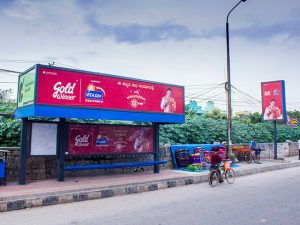
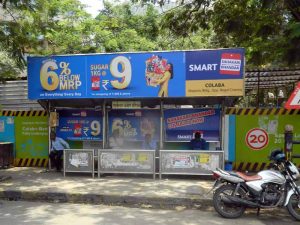
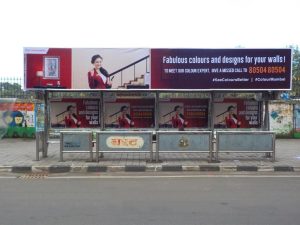
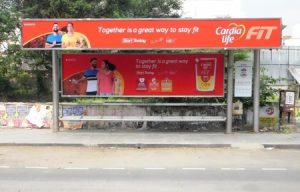
Bus shelters provide the ideal platform for this approach. Because commuters encounter multiple shelters along their daily routes, brands can deliver progressive storytelling that unfolds naturally over time and distance.
Understanding Sequential Storytelling in Outdoor Advertising
Sequential storytelling involves breaking a brand message into multiple creative stages. Each stage appears at a different location, but all creatives remain visually connected.
Rather than communicating everything at once, the campaign builds curiosity, recognition, and emotional engagement gradually.
This method mirrors how human memory works—through continuity rather than overload.

Why Bus Shelter Networks Enable Sequential Storytelling
Predictable Commuter Movement
Commuters often follow fixed routes daily. As a result, they encounter bus shelters in a predictable sequence.
This repetition enables controlled message progression.
High Frequency and Routine Exposure
Daily commuting ensures repeated exposure. When messages evolve slightly at each shelter, audiences stay attentive rather than experiencing fatigue.
Proximity and Viewing Time
Bus shelter ads sit at eye level and remain visible while commuters wait. This allows sufficient time for narrative comprehension.
Key Objectives of Sequential Storytelling Campaigns
Designing sequential storytelling campaigns across bus shelter networks helps brands achieve:
-
Stronger message retention
-
Emotional brand connection
-
Higher recall compared to single creatives
-
Improved trust through consistency
These outcomes are particularly valuable for long-consideration categories.
How Sequential Storytelling Works in Bus Shelter Advertising
Stage 1: Awareness Trigger
The first shelter introduces the brand or theme. Messaging remains simple and curiosity-driven.
The goal is recognition, not explanation.
Stage 2: Context Development
The second or third shelter builds meaning. It explains benefits, relevance, or emotional positioning.
At this stage, brand familiarity already exists.
Stage 3: Reinforcement or Call-to-Action
Later shelters reinforce credibility or encourage action. Because familiarity has been established, messaging feels natural rather than promotional.
Creative Design Principles for Sequential Campaigns
Maintain Visual Continuity
All creatives must share consistent colours, typography, and layout structure. This continuity signals that the message belongs to the same story.
Vary the Message, Not the Identity
While headlines evolve, brand identity must remain unchanged. Inconsistent visuals disrupt narrative flow.
Keep Each Creative Self-Explanatory
Although the campaign is sequential, each shelter must still make sense independently. Not all viewers see every placement.

Planning Shelter Network Layouts Strategically
Effective storytelling depends on placement order.
Brands should plan shelters along:
-
Home-to-office routes
-
Metro feeder corridors
-
High-density residential roads
-
Commercial zone connectors
Logical route sequencing improves narrative comprehension.
Industries That Benefit Most from Sequential Storytelling
This strategy works exceptionally well for:
-
Real estate developers
-
Education institutions
-
Financial services
-
Insurance brands
-
Consumer technology companies
These sectors benefit from gradual persuasion rather than instant response.
Psychological Impact of Sequential Exposure
Sequential messaging leverages the mere exposure effect, where familiarity increases preference.
Each creative reinforces memory without repetition fatigue. Over time, audiences feel more comfortable with the brand.
This comfort translates directly into trust.
Measuring Effectiveness of Storytelling Campaigns
Brands typically evaluate:
-
Brand recall uplift
-
Message comprehension surveys
-
Local enquiry increase
-
Engagement consistency across zones
Sequential campaigns consistently outperform single-message campaigns on recall metrics.
Common Mistakes to Avoid
-
Overcomplicating the narrative
-
Changing design styles mid-campaign
-
Using too many message stages
-
Ignoring route-based planning
Simplicity and structure remain critical.
Integrating Sequential Bus Shelter Campaigns with Other Media
For maximum impact, brands can reinforce storytelling through:
-
Metro station advertising
-
Digital screens near shelters
-
Local mobile geo-targeted ads
This integration strengthens narrative continuity across platforms.
Conclusion
Designing sequential storytelling campaigns across bus shelter networks allows brands to move beyond static visibility into meaningful engagement. By aligning narrative progression with commuter routines, advertisers create memorable brand journeys rather than isolated impressions.
In high-density urban markets, where attention is fragmented, storytelling through repetition and continuity offers a powerful advantage.
For brands seeking deeper recall, trust, and emotional resonance, sequential bus shelter advertising represents one of the most effective outdoor strategies available.