How Bus Shelter Advertising Influences Brand Trust in High-Density Urban Markets
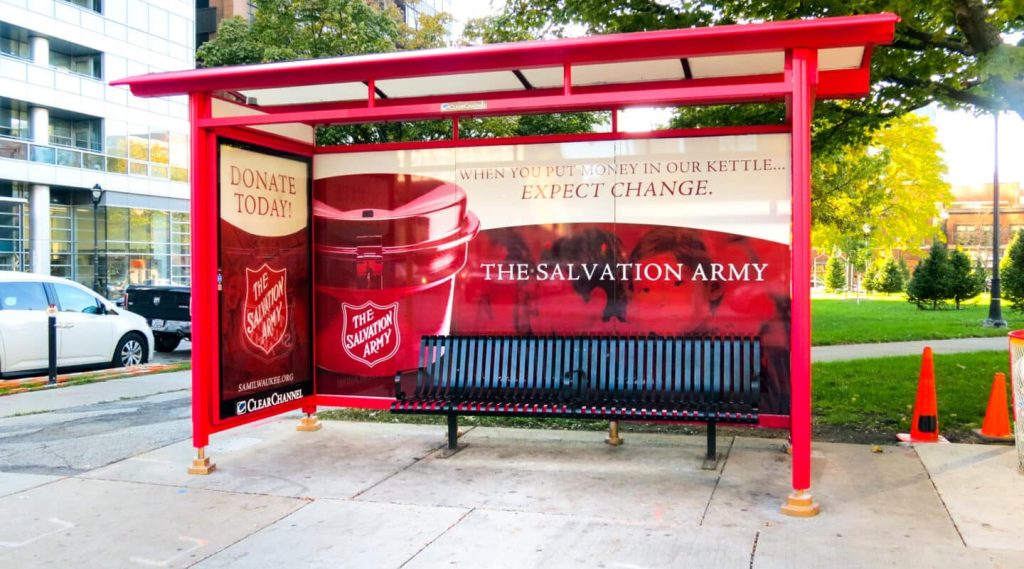
How bus shelter advertising influences brand trust in high-density urban markets through repeated local visibility.
In crowded urban environments, consumers encounter thousands of brand messages every day. As a result, trust has become one of the most critical differentiators in marketing communication. This is where understanding how bus shelter advertising influences brand trust in high-density urban markets becomes essential for advertisers seeking credibility rather than short-term visibility.
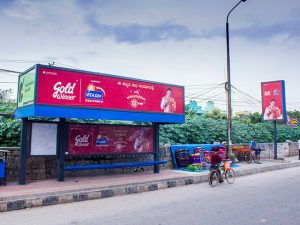
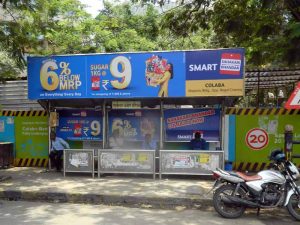
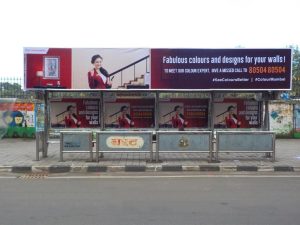
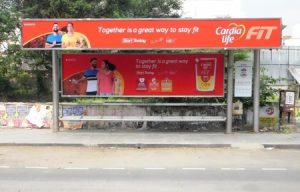
Bus shelters are not just transit infrastructure. They function as daily touchpoints embedded within neighbourhoods, commercial zones, and residential corridors. Because people interact with them repeatedly, advertising in these spaces plays a powerful role in shaping long-term brand perception.
The Unique Role of Bus Shelters in Urban Life
Bus shelters occupy fixed, familiar locations within cities. Commuters see the same shelters every morning and evening, often waiting several minutes at the same spot.
Therefore, bus shelter advertising benefits from:
-
Repeated daily exposure
-
Predictable audience movement
-
Strong neighbourhood association
-
High visibility at eye level
This consistency allows brands to build familiarity, which is the foundation of trust.
Why Trust Matters in High-Density Urban Markets
Urban consumers are highly selective. They are exposed to constant noise from digital ads, hoardings, notifications, and promotions.
Consequently, trust develops through presence rather than persuasion.
When brands appear consistently in respected public infrastructure, they signal stability, legitimacy, and scale. Bus shelter advertising naturally delivers this signal.

How Bus Shelter Advertising Builds Brand Trust
Repetition Creates Familiarity
Trust grows through repeated exposure. When commuters encounter the same brand daily at their regular bus stop, recognition increases organically.
Over time, the brand transitions from unfamiliar to known—and known brands feel safer to consumers.
Association with Public Infrastructure
Bus shelters are city-authorised assets. Advertising displayed on them carries implied legitimacy.
Therefore, brands featured on shelters benefit from perceived credibility compared to transient digital ads or pop-up promotions.
Non-Intrusive Communication
Unlike mobile ads that interrupt content, bus shelter advertising exists passively within the environment.
This non-disruptive presence reduces resistance and improves receptivity, which directly strengthens trust.
Localised Visibility Enhances Relevance
Bus shelters operate within specific neighbourhoods. When brands advertise in local areas, they appear accessible and community-oriented.
As a result, consumers perceive the brand as relevant to their daily lives.
Psychological Impact of Bus Shelter Advertising
Stability and Permanence
Fixed-location media conveys permanence. Brands that maintain visibility over weeks or months appear established rather than temporary.
This perception significantly influences trust in sectors such as banking, real estate, education, healthcare, and telecom.
Visual Consistency Reinforces Confidence
Consistent creative design across multiple shelters strengthens recognition.
When consumers see the same message across their commute, confidence in the brand increases naturally.
Why Bus Shelters Outperform in High-Density Areas
High-density urban markets experience constant pedestrian and vehicular movement. Bus shelters sit at intersections of footfall, traffic, and daily routines.
This leads to:
-
High frequency impressions
-
Strong recall through repetition
-
Continuous reinforcement of brand presence
In dense markets, frequency matters more than novelty—and bus shelters deliver frequency effectively.
Industries That Benefit Most from Trust-Based Visibility
Bus shelter advertising performs particularly well for:
-
Banks and financial services
-
Real estate and property developers
-
Healthcare and hospitals
-
Education institutions
-
Telecom and utility services
These sectors rely heavily on trust rather than impulse buying.

Integrating Bus Shelter Advertising into Brand Strategy
To maximise trust-building impact, brands should:
-
Maintain consistent creative across locations
-
Run campaigns for longer durations
-
Choose residential and commuter-heavy routes
-
Align messaging with reliability and value
This approach transforms bus shelters into long-term brand credibility assets.
Measuring Trust Impact
While trust is intangible, advertisers evaluate impact through:
-
Brand recall surveys
-
Pre- and post-campaign perception studies
-
Local enquiry uplift
-
Store or website visitation trends
Over time, sustained bus shelter presence correlates strongly with improved brand perception.
Conclusion
Understanding how bus shelter advertising influences brand trust in high-density urban markets highlights a powerful truth: trust is built through familiarity, consistency, and presence.
By appearing daily within trusted public infrastructure, brands move beyond visibility and become part of the urban routine. In environments crowded with fleeting messages, bus shelter advertising offers something increasingly rare—credibility.
For brands seeking long-term trust rather than short-term attention, bus shelters remain one of the most effective urban advertising formats.