Instagram Posts vs Reels: Which Influencer Format Delivers Better Brand ROI?
Food influencer campaigns, from recipe reels to restaurant review posts, blend inspiration with influence. By tapping into authentic storytelling and visual appeal, brands can drive discovery, trust, and action.
As influencer marketing matures in 2025, brands are no longer chasing vanity metrics alone. Instead, they are asking a sharper question: Instagram Posts vs Reels: Which Influencer Format Delivers Better Brand ROI? With budgets under scrutiny, marketers must choose formats that drive measurable outcomes such as engagement, conversions, and brand recall.
While Instagram posts once dominated influencer campaigns, reels have rapidly taken center stage. However, ROI is not one-size-fits-all. Therefore, understanding how each format performs is critical for smarter media planning.
Understanding Instagram Posts in Influencer Campaigns
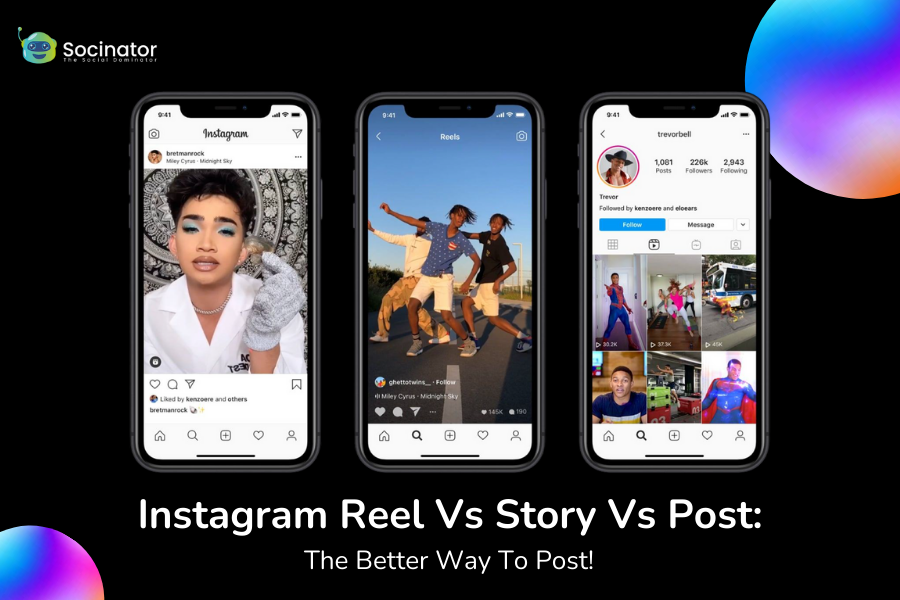
Instagram posts are static image or carousel-based content published directly on an influencer’s feed. Traditionally, they have been valued for aesthetics, permanence, and brand storytelling. Moreover, posts remain visible on profiles indefinitely, which supports long-term brand presence.

Additionally, static posts allow controlled messaging. Brands can ensure logo visibility, product framing, and compliance with guidelines. As a result, posts often perform well for luxury, fashion, and premium branding campaigns. However, engagement growth through posts has slowed in recent years due to algorithm shifts.
How Instagram Reels Changed Influencer Marketing ROI
Reels introduced motion, sound, and speed into influencer content. As platforms prioritized short-form video, reels gained algorithmic advantage. Consequently, reels now receive higher organic reach compared to posts.
Furthermore, reels are discovery-driven. Unlike posts, they frequently appear to non-followers. Therefore, brands benefit from incremental reach without additional spend. In terms of ROI, this organic amplification plays a significant role in improving cost efficiency.
Instagram Posts vs Reels: Engagement and Reach Comparison
When comparing Instagram posts vs reels, engagement metrics clearly favor reels in most categories. Reels generate higher average watch time, shares, and saves. Additionally, comments on reels tend to be more conversational and authentic.

On the other hand, static posts still attract intentional engagement from loyal followers. They perform well for announcements, product drops, or visual storytelling. However, reels outperform posts when the objective is scale and interaction. Therefore, reels usually deliver stronger engagement-led ROI.
Conversion Impact: Which Influencer Format Drives Action?
ROI is ultimately linked to action. Reels excel at top- and mid-funnel influence by creating curiosity and emotional connection. Through demonstrations, usage scenarios, and storytelling, reels move users closer to purchase intent.
Meanwhile, Instagram posts support bottom-funnel conversion when paired with clear CTAs. Carousel posts explaining features or pricing often drive link clicks. Thus, posts deliver ROI through clarity, while reels deliver ROI through influence. Consequently, the best-performing campaigns often combine both formats strategically.
Cost Efficiency: Reels vs Posts in Influencer Budgets
From a cost perspective, reels may appear more expensive. However, when measured against reach and engagement, reels often offer lower cost per engagement. Additionally, high-performing reels can be repurposed across paid ads, websites, and marketplaces.
Static posts, although cheaper, may require paid boosting to match reel-level reach. Therefore, reels-first influencer campaigns often generate better ROI over the campaign lifecycle. Still, budget allocation should depend on campaign goals and audience behavior.
Brand Recall and Longevity of Content
Static posts provide visual consistency and long-term profile presence. As a result, they contribute to brand recall when users browse influencer feeds later. However, reels create stronger emotional memory through audio, motion, and storytelling.
In 2025, audiences remember experiences more than visuals alone. Hence, reels generally outperform posts in recall-based ROI. Nevertheless, posts support brand credibility and visual identity. Thus, both formats play complementary roles.
When Instagram Posts Deliver Better Brand ROI
Instagram posts deliver better ROI when the objective is premium positioning, clear messaging, or compliance-heavy industries. They are also effective for product catalogs, launches, and festive creatives. Moreover, posts work well when targeting niche, loyal audiences.

Therefore, dismissing posts entirely would be a mistake. Instead, brands should evaluate context, category, and campaign stage.
When Reels Deliver Better Brand ROI
Reels deliver superior ROI for mass awareness, engagement growth, and trend-driven campaigns. They work especially well for FMCG, beauty, fitness, food, and D2C brands. Furthermore, reels amplify influencer personality, which builds trust faster.
As a result, reels dominate performance-driven influencer strategies in 2025.
Final Verdict: Instagram Posts vs Reels for Influencer ROI
So, Instagram posts vs reels: which influencer format delivers better brand ROI? The answer depends on objectives. Reels outperform posts in reach, engagement, and discoverability. Posts, however, support clarity, consistency, and long-term presence.
Ultimately, the strongest ROI comes from a hybrid approach. Brands that balance reels for scale and posts for depth achieve the most sustainable influencer marketing results in 2025.