Key Types of Media Rights in India: Broadcast, Digital, OOH, and Transit Media
Key Types of Media Rights in India: Broadcast, Digital, OOH, and Transit Media Explained for Brands & Media Owners
The Indian media and advertising ecosystem is built on a complex yet well-structured system of rights ownership and monetisation. Understanding the key types of media rights in India is essential for broadcasters, advertisers, media agencies, infrastructure authorities, and investors. These rights define who can distribute content, sell advertising inventory, and commercially exploit audiences across platforms.
Broadly, media rights in India fall into four major categories: broadcast media rights, digital media rights, out-of-home (OOH) media rights, and transit media rights. Each category operates differently, serves distinct audiences, and follows unique monetisation models. Therefore, a clear understanding helps brands plan smarter media investments while enabling rights holders to maximise long-term value.

Broadcast Media Rights in India
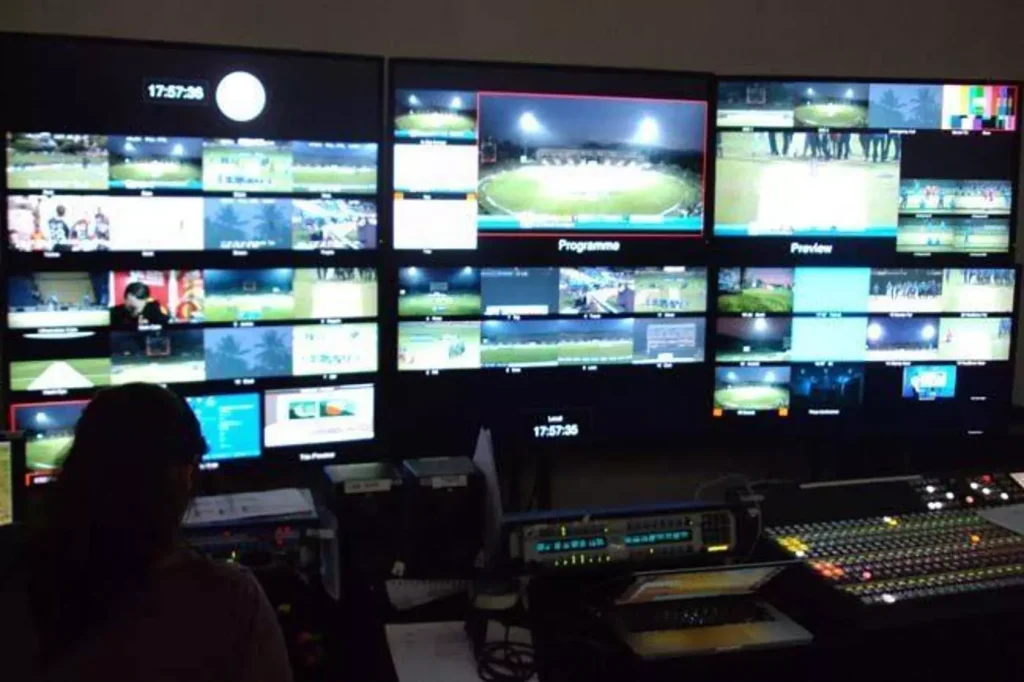
Broadcast media rights are among the most established and regulated forms of media rights in India. These rights allow television networks to air content across satellite, cable, and terrestrial platforms. Typically, broadcast rights are awarded through competitive bidding processes, especially for high-value properties.
Sports dominate this category. For instance, the Indian Premier League broadcast rights have transformed Indian television economics. Similarly, cricket boards such as the Board of Control for Cricket in India regularly issue tenders for bilateral series and domestic tournaments.
However, broadcast media rights are not limited to sports. Entertainment channels, movie premieres, award shows, and news programming also rely on licensing agreements. As a result, broadcast rights continue to deliver mass reach, credibility, and high advertiser confidence, particularly in regional markets.
Digital Media Rights in India
Digital media rights have grown exponentially due to rising smartphone usage, affordable data, and OTT platform adoption. These rights govern the online distribution of content through websites, mobile apps, and streaming platforms.

In many cases, digital rights are sold separately from broadcast rights. This separation allows content owners to unlock additional revenue streams. For example, live sports streaming, web-exclusive shows, and short-form content are often monetised through subscriptions, programmatic advertising, and brand integrations.
Moreover, digital media rights offer precise targeting, measurable engagement, and flexible formats. Consequently, brands increasingly prioritise digital rights for performance-driven campaigns, even when broadcast visibility remains important.
OOH Media Rights in India
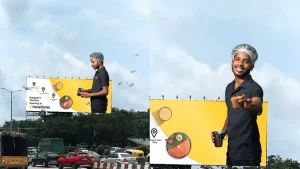
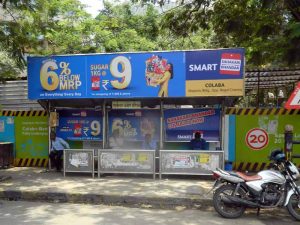
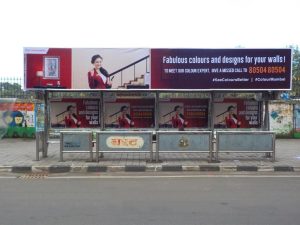
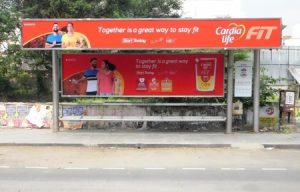
Out-of-home media rights cover advertising inventory placed in public spaces such as billboards, unipoles, digital screens, street furniture, and public utilities. These rights are usually awarded by municipal bodies, development authorities, or private landowners.
OOH media rights in India are commonly structured as long-term concessions. The winning media operator gains exclusive control over specific locations for a fixed duration. In return, they pay license fees or share revenue with the authority.
Importantly, OOH media rights deliver unavoidable visibility and strong brand recall. With the rise of digital OOH and data-driven planning, these rights are now seen as strategic city-level assets rather than just static advertising spaces.
Transit Media Rights in India
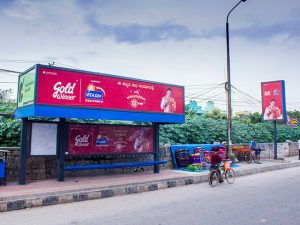
Transit media rights are a specialised subset of OOH media rights. They include advertising opportunities across metros, airports, railway stations, buses, cabs, and other transport networks.
Authorities such as the Delhi Metro Rail Corporation award transit media rights through formal tenders. These contracts often run for 8–15 years and cover station branding, train wraps, digital displays, and on-ground activations.
Transit media rights are highly valuable because they combine high footfall with long dwell time. Furthermore, advertisers benefit from repeated exposure among daily commuters, travellers, and business audiences. As urban infrastructure expands, transit media rights continue to attract strong interest from media operators.
How These Media Rights Differ in Value and Strategy
Although all four categories involve audience monetisation, they serve different objectives. Broadcast rights prioritise mass reach and appointment viewing. Digital rights focus on engagement, data, and performance. OOH rights deliver scale and visual dominance. Transit rights combine contextual relevance with repeated exposure.
Therefore, brands often adopt an integrated approach, leveraging multiple media rights simultaneously. Likewise, rights holders increasingly bundle offerings to create holistic solutions for advertisers.
Conclusion
In summary, the key types of media rights in India: broadcast, digital, OOH, and transit media form the backbone of the country’s advertising and content distribution ecosystem. Each type plays a distinct role in shaping audience access, brand visibility, and revenue generation.
As technology evolves and consumer behaviour changes, these media rights will continue to converge. However, their fundamental importance in driving structured, scalable, and measurable communication will remain unchanged.