Smart City Advertising Opportunities for Brands in India
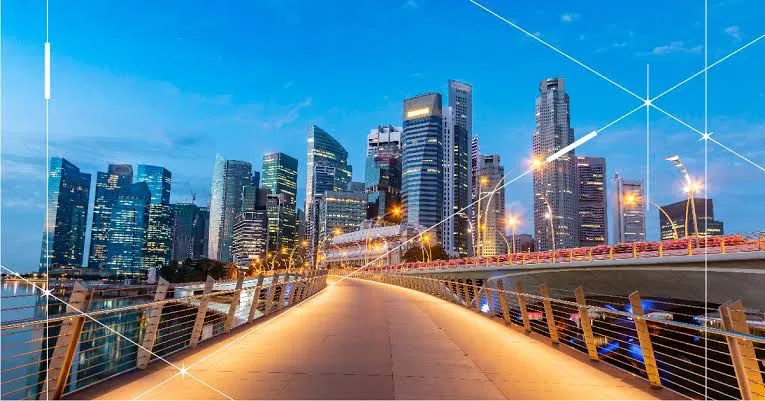
In 2026, the “Smart City” isn’t just a buzzword for government tenders; it’s finally a reality on the streets of Indore, Bengaluru, and Navi Mumbai. For a long time, outdoor ads in India meant messy posters on flyovers. But today, the infrastructure itself has become the medium.
If you’re a brand manager in 2026, you aren’t just buying “space” you’re buying data-backed moments. Here is the ground reality of where the opportunities lie.
1. Beyond Billboards: The Rise of “Utility Branding”
The biggest shift in 2026 is that ads are now helping people. Smart cities are cluttered, and citizens are tired of being shouted at. Brands Advertising that provide a service are the ones winning hearts.
Smart Bus Shelters as Experience Hubs
Take the Digital Bus Queue Shelters (BQS) along Delhi’s Ring Road or Pune’s IT corridors. These aren’t just sheds anymore. They have SOS buttons, Wi-Fi, and real-time bus tracking screens.
-
The Opportunity: Brands like Samsung or Airtel aren’t just putting up a logo; they are sponsoring the Wi-Fi. When a commuter connects, they see a 5-second “Powered by” message. That’s high-intent engagement because you’ve actually helped the user.
Intelligent Street Furniture
From Bandra-Kurla Complex (BKC) to Electronic City, smart poles are everywhere. These poles house 5G cells and EV charging points. By sponsoring this “Green Infrastructure,” brands like Tata Motors or Hyundai position themselves as eco-friendly leaders while catching the eye of EV owners waiting for a charge.
2. Programmatic DOOH: Real-World Retargeting
The “spray and pray” method of the 2010s is dead. In 2026, we have Programmatic Digital Out-of-Home (pDOOH).
Trigger-Based Creative
Imagine you’re a food delivery app like Swiggy or Zomato. Your ad on a digital screen at a Bengaluru metro station doesn’t need to run all day.
-
The Strategy: Use “Rain Triggers.” As soon as the city’s weather API signals a downpour, the screens automatically switch to a “Pakoras & Chai” ad.
-
The Result: You’re reaching the consumer at the exact moment their craving hits. That’s the power of smart city data integration.
3. High-Traffic “Transit Corridors”
In 2026, the Indian commuter spends more time in transit than ever. But they aren’t looking out the window; they are looking at screens.
Metro Station Takeovers
The Delhi Metro and Hyderabad Metro are now fully digitized. We’re seeing “Tunnel Advertising” where LED strips along the tunnel walls create a moving ad that follows the train.
-
The HNW Targeting: For B2B or Luxury brands, the Airport Express lines or Corporate Shuttles in Gurugram are the goldmines. You’re targeting a captive, high-income audience that can’t “skip” your ad.

4. The 3D “Wow” Factor at Major Intersections
If you want “Viral Reach,” you go to the big junctions. Think Connaught Place or Worli Sea Face.
Anamorphic 3D Displays
The “Naked-Eye 3D” screens have become the landmark of Indian smart cities. When a Titan watch or a OnePlus phone appears to float 20 feet above the traffic, people don’t just look they pull out their phones.
-
The Viral Loop: One physical ad in a smart city junction can generate 10 million organic views on Instagram Reels in 48 hours. The city screen is just the starting point; the real campaign happens on the viewer’s smartphone.
5. Challenges: What the AI Doesn’t Tell You
It’s not all smooth. Smart city advertising in India comes with its own “desi” hurdles.
-
Permissions & Regulation: Every city has different municipal rules (e.g., BMC vs. DMRC).
-
Maintenance: Dust and monsoon humidity are the enemies of high-end LED screens. Brands must partner with vendors who provide 24/7 technical monitoring.
Conclusion
Smart City advertising in India is no longer about who has the biggest hoarding. It’s about who has the smartest data. By 2026, the brands that successfully merge OOH (Out-of-Home) with Digital Intent are the ones that will own the urban landscape. It’s time to stop thinking about “signs” and start thinking about “solutions.“