The Visual Ownership Effect: Why Consistent OOH Presence Can Make a Brand Feel Like It Belongs to a City??
The Visual Ownership Effect
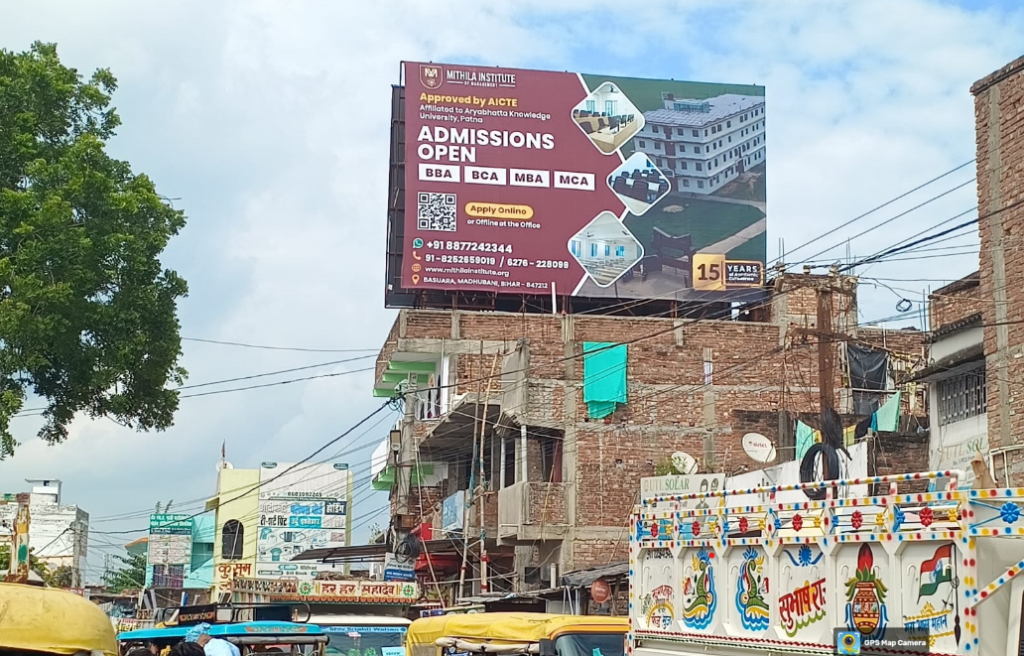
Cities have their own visual identities. Certain buildings, roads, landmarks and brands become instantly recognisable because people see them repeatedly. OOH advertising can create a similar effect for growing brands by placing them consistently within the environments consumers navigate every day.
From Individual Sites to Citywide Presence
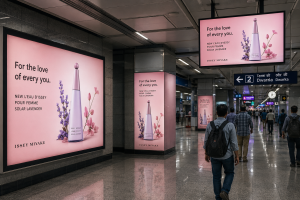
One billboard can generate visibility at a particular location. A strategically connected OOH campaign can create something much bigger. When a brand appears across multiple high-traffic locations, consumers begin encountering it at different points throughout their daily movement.
This creates the perception that the brand has a strong and established presence in the market.

Consistency Creates Familiarity
Consumers may not consciously remember every advertisement they see. However, repeated exposure to the same brand name, colours, visual identity and messaging can increase familiarity.
Over time, a brand that once felt unfamiliar can begin to feel recognisable and established.
Making a Brand Part of the Urban Landscape
The strongest OOH campaigns become part of the places where people live and move. A brand might appear along a major highway in the morning, near a retail district in the afternoon and around an entertainment zone in the evening.
This repeated city-level presence can make the brand feel naturally connected to the local market.
Why This Matters for Growing Brands
For a new entrant or expanding brand, establishing credibility can be challenging. Consumers often associate visibility with scale. A well-planned OOH network can therefore help communicate that a brand is serious about the market and intends to build a lasting presence.
Strategic Coverage Beats Random Visibility
Visual ownership is not about buying the maximum number of advertising sites. It is about selecting locations that collectively create meaningful coverage across important consumer routes, commercial areas and neighbourhoods.
The objective is simple: be visible where the city moves.