Challenges Brands and Agencies Face While Bidding for Media Rights Tenders
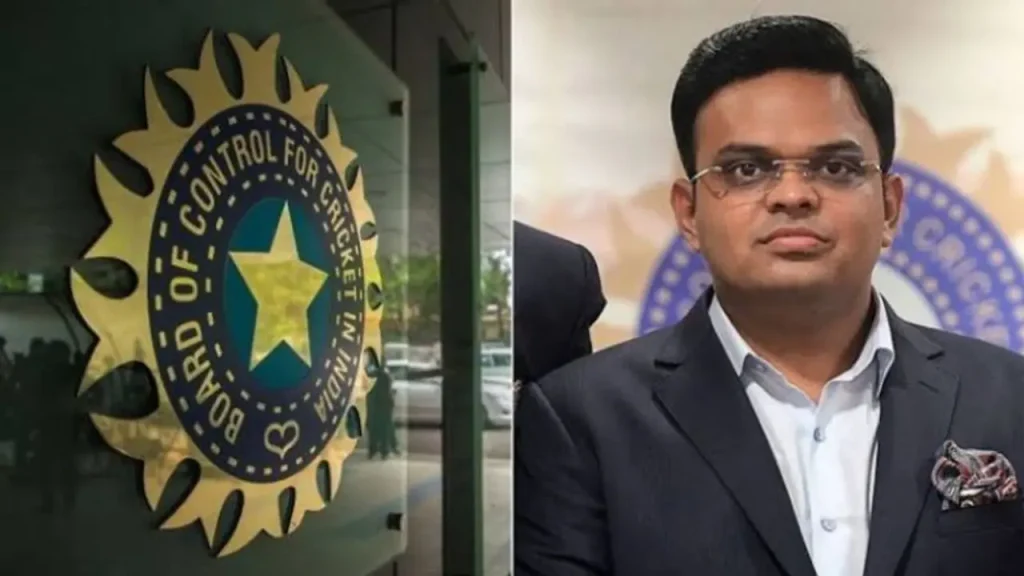
Challenges brands and agencies face while bidding for media rights tenders include pricing pressure, compliance, and ROI risks.
Media rights tenders have become one of the most competitive gateways to premium advertising inventory in India. From sports leagues and metro rail networks to airports and smart cities, winning these tenders can secure long-term visibility and scalable revenue. However, the challenges brands and agencies face while bidding for media rights tenders are significant and often underestimated.
As tender values rise and contract tenures extend, the risks associated with aggressive bidding, compliance, and execution grow equally. Therefore, understanding these challenges is essential before entering high-stakes media rights competitions.

Intense Price Competition and Overbidding Pressure
One of the biggest challenges in media rights tenders is aggressive price competition. Multiple agencies often chase the same high-profile asset, which drives bids beyond realistic revenue potential.
For example, sports media rights associated with properties like the Indian Premier League have seen exponential valuation growth. While such assets offer scale, overbidding can strain cash flows for years.
Similarly, in transit and OOH media tenders, agencies sometimes quote high minimum guarantees to outbid competitors. Consequently, profitability becomes dependent on perfect inventory utilisation, leaving little margin for error.
Complex Eligibility and Compliance Requirements
Media rights tenders in India come with extensive technical, legal, and financial compliance conditions. Agencies must submit audited financials, experience certificates, bank guarantees, and statutory clearances.

For government or PSU-led tenders, even minor documentation errors can result in outright disqualification. This compliance burden is especially challenging for mid-sized agencies that have execution capability but limited administrative infrastructure.
Moreover, long-term contracts require ongoing compliance audits, which adds operational overhead throughout the contract period.
Long Lock-In Periods and Revenue Uncertainty
Most media rights contracts span 8 to 15 years. While this provides stability, it also exposes bidders to long-term market uncertainty.
Changes in audience behaviour, advertiser preferences, or regulatory norms can impact projected revenues. For instance, a metro advertising contract awarded today may face footfall volatility due to hybrid work patterns or route expansions.
Therefore, agencies must forecast revenue across economic cycles, which is inherently difficult in a fast-evolving media landscape.
High Upfront Financial Commitments
Another major challenge is the requirement for large upfront payments. Media rights tenders often mandate security deposits, performance guarantees, and advance license fees.
In metro and airport advertising contracts awarded by bodies such as the Delhi Metro Rail Corporation, bidders must demonstrate strong financial backing. As a result, working capital gets locked for long durations, limiting flexibility for other investments.
For brands bidding directly, this financial exposure may outweigh the benefits unless backed by a clear long-term brand strategy.
Operational and Execution Risks
Winning a media rights tender is only the beginning. Agencies then face the challenge of asset creation, maintenance, and daily operations.
This includes installing digital screens, maintaining static inventory, managing approvals, and ensuring uptime. Any failure in execution can lead to penalties or even termination of rights.
Additionally, authorities often impose strict aesthetic and safety guidelines. Therefore, execution timelines and costs can escalate unexpectedly.
Unclear Monetisation Flexibility
Some media rights contracts restrict advertiser categories, pricing flexibility, or creative formats. While these clauses protect public interest, they can limit revenue potential.
For example, restrictions on alcohol, tobacco, or political advertising reduce the advertiser pool. Consequently, agencies must work harder to onboard compliant advertisers while meeting revenue targets.
Regulatory and Policy Changes
Media rights bidding also carries regulatory risk. Policy shifts, taxation changes, or revised advertising guidelines can alter business viability mid-contract.
Sports broadcasting regulations, digital advertising norms, or municipal OOH policies can all impact monetisation strategies. Hence, agencies must remain adaptable while operating within rigid contract structures.
Brand vs Agency Perspective: Different Risk Profiles
Brands bidding for exclusive media rights face reputational and financial risks if utilisation falls short. Agencies, on the other hand, risk margin erosion and operational stress.
Therefore, many brands prefer partnering with specialist media operators rather than bidding independently. This partnership approach helps balance risk with expertise.
Conclusion
In conclusion, the challenges brands and agencies face while bidding for media rights tenders extend far beyond winning the bid. From aggressive pricing and compliance complexity to long-term uncertainty and execution pressure, these tenders demand careful strategic evaluation.
Those who succeed are not just high bidders but disciplined planners with strong financial models, operational depth, and risk mitigation strategies. In an increasingly competitive media environment, smart bidding matters more than winning at any cost.