Display Advertising Media Options Explained: Banners, Rich Media, and Retargeting
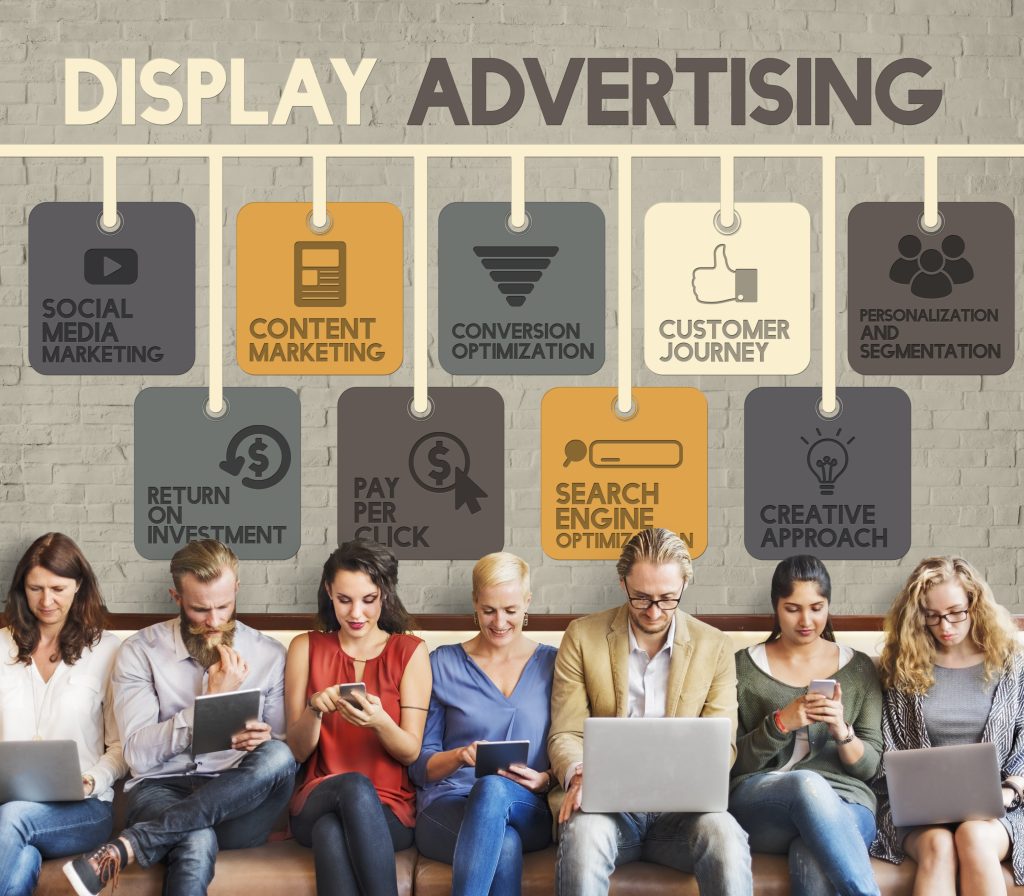
Display advertising continues to be one of the most widely used digital marketing formats for brands looking to build visibility, drive consideration, and support conversions
Display advertising continues to be one of the most widely used digital marketing formats for brands looking to build visibility, drive consideration, and support conversions. As digital consumption grows across devices and platforms, understanding display advertising media options becomes essential for marketers aiming to create impactful campaigns.
In simple terms, display advertising refers to visual ads shown across websites, apps, and digital platforms. These ads appear in multiple formats, the most common being banner ads, rich media ads, and retargeting ads. Each option serves a distinct purpose in the marketing funnel. Therefore, choosing the right mix directly impacts campaign performance and ROI.
What Is Display Advertising and Why It Matters
Display advertising involves placing visual creatives across publisher networks and platforms using contextual, audience-based, or programmatic targeting. Unlike search advertising, which captures active intent, display advertising builds awareness and reinforces brand recall over time.

Platforms powered by Google and programmatic exchanges allow advertisers to reach users based on demographics, interests, browsing behaviour, and location. As a result, display advertising works effectively for both large-scale branding and performance-driven objectives.
Banner Advertising: The Foundation of Display Media
Standard Banner Ads Explained
Banner ads are the most traditional and widely recognised display advertising format. They are static or lightly animated creatives placed in fixed sizes such as leaderboard, skyscraper, and rectangle formats.
Banner advertising works best for:
-
Brand awareness and visibility
-
Always-on digital presence
-
Supporting search and social campaigns
Because banners are easy to produce and scalable, they are commonly used across high-reach publisher networks.
Advantages and Limitations of Banner Ads
Banner ads offer cost efficiency and broad reach. However, banner blindness can reduce engagement if creatives are repetitive or poorly designed. Therefore, strong visual hierarchy, concise messaging, and frequent creative refreshes are essential for success.
Rich Media Advertising: Driving Interaction and Engagement
What Are Rich Media Display Ads
Rich media ads are advanced display formats that include interactivity, motion, video, audio, or expandable elements. Unlike standard banners, rich media encourages users to interact with the ad.
Examples include expandable banners, interactive carousels, embedded videos, and playable demos. Consequently, rich media ads deliver higher engagement rates compared to static formats.

Why Brands Use Rich Media Advertising
Rich media advertising is ideal for:
-
Product launches and feature showcases
-
Storytelling and immersive brand experiences
-
Increasing time spent with the ad
Because rich media attracts attention, it is often used in premium placements and high-impact campaigns.
Retargeting Ads: Turning Interest into Conversions
How Retargeting Display Advertising Works
Retargeting ads re-engage users who have already interacted with a brand’s website, app, or product pages. These ads follow users across websites and apps, reminding them of unfinished actions.
For example, users who abandon shopping carts or browse product pages are shown relevant display ads later. As a result, retargeting significantly improves conversion rates.
Benefits of Retargeting in Display Advertising
Retargeting is highly effective because it targets warm audiences rather than cold prospects. It helps brands:
-
Recover lost conversions
-
Reinforce brand recall
-
Improve cost efficiency
However, frequency capping and creative variation are important to avoid ad fatigue.
Programmatic Buying and Display Advertising
Today, most display advertising media options are executed through programmatic platforms. Programmatic buying automates ad placement using real-time bidding and audience data.
This approach allows advertisers to optimise reach, pricing, and targeting dynamically. Moreover, programmatic display enables precise measurement of impressions, clicks, viewability, and conversions.
Choosing the Right Display Advertising Mix
Each display advertising option serves a different role. Banner ads offer scale and consistency. Rich media delivers engagement and storytelling. Retargeting focuses on performance and conversions.
Therefore, the most effective campaigns combine all three formats. Brands often use banners for awareness, rich media for engagement, and retargeting for closing the funnel.
Common Challenges in Display Advertising
Despite its strengths, display advertising faces challenges such as ad fraud, viewability issues, and creative fatigue. To overcome these, advertisers must monitor performance metrics closely and optimise creatives regularly.
Additionally, aligning display campaigns with clear objectives ensures better outcomes.
Conclusion
In conclusion, display advertising media options explained: banners, rich media, and retargeting highlights how each format contributes to a successful digital strategy. When used strategically, display advertising builds brand presence, drives engagement, and supports conversions across the customer journey.
As digital ecosystems evolve, brands that understand and integrate these display advertising options will continue to achieve scalable and measurable growth.