Media Buying in Bengaluru: Optimising Budgets Across Transit, DOOH & Outdoor Assets
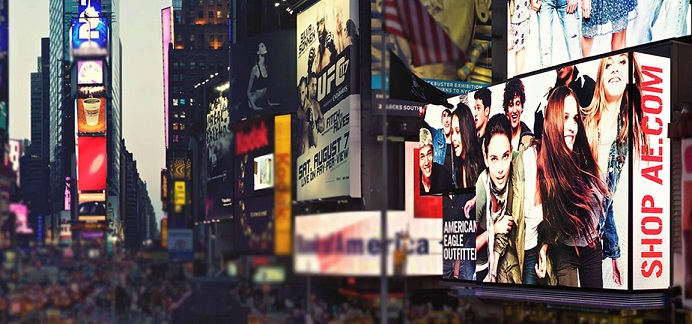
Media buying in Bengaluru has evolved into a highly strategic function as the city continues to expand as India’s leading technology and startup hub
Media buying in Bengaluru has evolved into a highly strategic function as the city continues to expand as India’s leading technology and startup hub. With a fast-growing population, dense traffic corridors, and a young working demographic, Bengaluru presents immense opportunities for brands seeking high-frequency, high-impact visibility. However, rising media costs and fragmented inventory mean that optimising budgets across transit, DOOH, and outdoor assets is no longer optional—it is essential.
Therefore, successful media buying in Bengaluru depends on understanding commuter behaviour, infrastructure patterns, and the right mix of traditional and digital outdoor formats.
Why Bengaluru Is a Critical Market for Media Buying
Bengaluru is home to IT parks, global corporations, premium residential zones, and some of the busiest arterial roads in India. Daily movement across the city ensures repeated exposure opportunities for brands across multiple touchpoints.

Key commercial zones such as Whitefield, Outer Ring Road, Electronic City, and Central Business District areas offer sustained footfall and vehicular traffic. As a result, Bengaluru consistently delivers strong OOH and transit media ROI when planned strategically.
Transit Media Buying in Bengaluru
Metro Rail Advertising Opportunities
Transit media forms the backbone of high-frequency advertising in Bengaluru. The Namma Metro network connects residential clusters with IT corridors, creating captive daily audiences.
Metro advertising assets include:
-
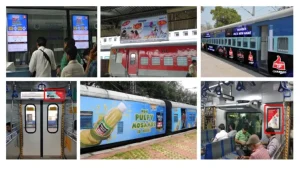
Station branding and platform panels
-
Train wraps and interior panels
-
Entry–exit gate displays and digital screens
Because metro commuters travel the same routes daily, transit media delivers consistent brand recall. Therefore, allocating budgets toward metro packages often improves cost efficiency over time.
Airport Transit Media
Kempegowda International Airport attracts business travellers, professionals, and international passengers. Airport Advertising here supports premium brand positioning, especially for technology, finance, luxury, and aviation-linked sectors.
DOOH Advertising in Bengaluru: Data-Driven Visibility
Growth of Digital OOH Screens
DOOH advertising in Bengaluru has gained momentum due to the city’s tech-savvy audience. Digital screens placed near IT parks, malls, premium residential areas, and signal junctions allow brands to rotate creatives dynamically.
DOOH formats support:
-
Time-based messaging
-
Campaign flexibility
-
Higher engagement than static hoardings
As a result, brands can optimise budgets by aligning creatives with peak traffic hours and audience relevance.
Programmatic DOOH Possibilities
In select premium locations, DOOH screens are now being integrated with programmatic buying. This allows advertisers to activate short bursts around product launches, events, or app promotions without long-term lock-ins.
Outdoor (OOH) Advertising Assets Across Bengaluru
Billboards, Unipoles, and Roadside Hoardings
Traditional outdoor assets continue to play a vital role in Bengaluru media buying. Large-format hoardings along Outer Ring Road, Sarjapur Road, and Tumkur Road deliver mass visibility across diverse audiences.
Although static in nature, these formats offer dominance and scale. Therefore, they are ideal for brand launches, real estate promotions, and festive campaigns.
Street Furniture and Utility Media
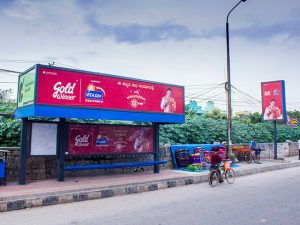
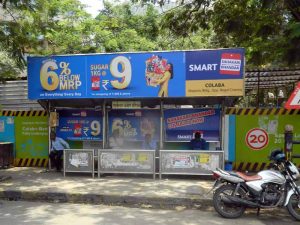
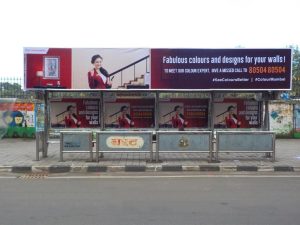
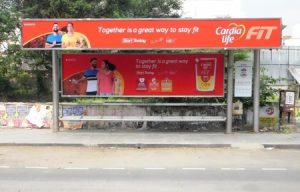
Bus shelters, traffic islands, and pedestrian panels add frequency at a relatively lower cost. These formats complement larger assets and help balance media budgets effectively.
How to Optimise Media Buying Budgets in Bengaluru
Mix High-Reach and High-Frequency Assets
An optimal Bengaluru media plan combines:
-
High-reach hoardings for scale
-
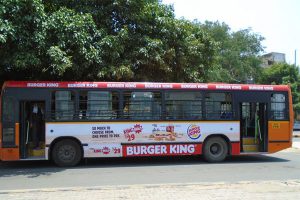
Transit media for frequency
-
DOOH for flexibility and engagement
This layered approach ensures visibility throughout the consumer’s daily journey.
Prioritise Corridor-Based Planning
Instead of scattered placements, focus budgets on specific corridors such as IT-to-residential routes. This approach increases repetition and improves recall without increasing spends.

Leverage Day-Part and Audience Insights
Using traffic patterns and commuter data allows brands to align DOOH creatives with peak movement hours. Consequently, the same budget delivers higher effective impressions.
Challenges in Media Buying in Bengaluru
Despite its advantages, Bengaluru presents challenges such as inventory saturation, premium pricing in IT corridors, and approval timelines for transit assets. Moreover, traffic congestion can affect visibility duration depending on placement orientation.
Therefore, negotiation, phased releases, and performance tracking become critical components of media buying success.
Why Professional Media Planning Matters
Given the complexity of Bengaluru’s media ecosystem, brands benefit significantly from professional media buying and planning support. Experienced planners help identify undervalued locations, bundle assets efficiently, and avoid overpaying for visibility.
Additionally, integrated planning across outdoor, DOOH, and transit ensures budget optimisation rather than fragmented spends.
Conclusion
In conclusion, media buying in Bengaluru: optimising budgets across transit, DOOH & outdoor assets requires a data-led, corridor-focused, and integrated approach. With the right asset mix and strategic planning, brands can achieve sustained visibility in one of India’s most competitive urban markets.
As Bengaluru continues to grow vertically and horizontally, advertisers who master smart media buying will gain a decisive advantage in brand recall, engagement, and long-term impact.