MyHoardings

Outdoor Advertising Company |Airport Advertising|Car Bus Branding Agency

Programmatic Display Advertising in India: Formats, Inventory, and Buying Methods
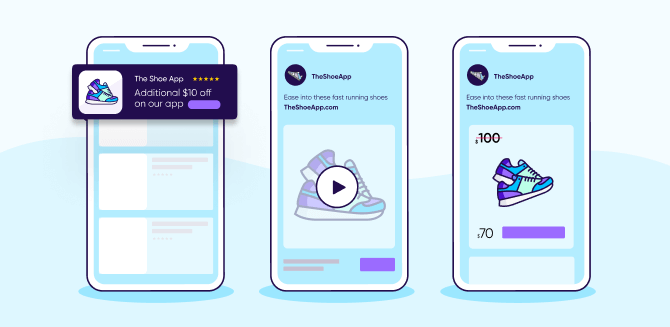
Programmatic display advertising in India covers formats, inventory types, and buying methods for data-led digital reach.

Programmatic display advertising in India covers formats, inventory types, and buying methods for data-led digital reach.

Programmatic display advertising has transformed how brands buy and optimise digital media in India. Instead of manually negotiating placements, advertisers now use data, automation, and algorithms to purchase display inventory in real time. As digital consumption grows across websites, apps, and connected devices, programmatic display advertising in India has become a cornerstone of efficient and scalable media planning.

For brands, programmatic offers precision and accountability. For publishers, it enables better yield management. Therefore, understanding its formats, inventory types, and buying methods is critical for anyone involved in digital advertising.


What Is Programmatic Display Advertising?

Programmatic display advertising refers to the automated buying and selling of digital display ad space using technology platforms. These platforms evaluate audience data, context, device, and location to decide which ad to show to which user and at what price.

Most programmatic transactions in India are powered by ecosystems connected to Google, along with demand-side platforms (DSPs), supply-side platforms (SSPs), and ad exchanges. As a result, advertisers gain access to large-scale inventory with granular targeting capabilities.


Key Formats in Programmatic Display Advertising

Standard Banner Ads

Banner ads remain the most commonly traded programmatic format. These include standard IAB sizes such as leaderboards, rectangles, and skyscrapers. Because banners are lightweight and scalable, they are ideal for reach-focused and always-on campaigns.

Rich Media and Interactive Formats

Rich media formats include expandable banners, interactive carousels, video-infused creatives, and dynamic product ads. These formats drive higher engagement and are often used for product launches or storytelling campaigns.

Native Display Ads

Native ads blend seamlessly into website or app content while being served programmatically. They are designed to match the look and feel of the platform, which improves click-through rates and user experience.


Types of Programmatic Inventory in India

Open Exchange Inventory

Open exchange inventory is available to all advertisers through real-time bidding (RTB). It offers massive scale across news portals, blogs, entertainment sites, and mobile apps. However, because it is open, pricing and quality can vary.

Private Marketplace (PMP) Inventory

PMP deals provide controlled access to premium publisher inventory. Advertisers receive priority access at pre-negotiated floor prices. Consequently, PMPs balance scale with brand safety and quality.

Programmatic Guaranteed Inventory

In programmatic guaranteed deals, inventory volume and pricing are fixed in advance, but delivery and reporting remain automated. This model is preferred for premium placements and high-impact campaigns.


Programmatic Buying Methods Explained

Real-Time Bidding (RTB)

RTB is the most common buying method in programmatic display advertising in India. Each ad impression is auctioned in milliseconds, allowing advertisers to bid based on user value and relevance. This method maximises efficiency but requires strong optimisation.

Preferred Deals

Preferred deals allow advertisers to access inventory at a fixed CPM before it enters the open auction. Although there is no volume guarantee, advertisers benefit from priority access.

Programmatic Guaranteed Deals

These deals combine the certainty of direct buying with the automation of programmatic. Advertisers secure guaranteed impressions while maintaining targeting and reporting advantages.


Why Brands Use Programmatic Display Advertising in India

Programmatic display advertising offers several advantages. First, it enables audience-based targeting rather than placement-based buying. Second, it provides real-time optimisation using performance data. Third, it improves transparency through detailed reporting.

In India’s diverse market, programmatic also supports regional targeting across languages, devices, and cities. Therefore, both national and hyperlocal campaigns benefit from this approach.


Challenges in Programmatic Display Advertising

Despite its strengths, programmatic advertising faces challenges such as ad fraud, low viewability, and creative fatigue. Additionally, excessive reliance on automation without strategic oversight can lead to inefficiencies.

To address these issues, advertisers must use brand safety tools, frequency controls, and continuous creative testing.


Future of Programmatic Display Advertising in India

The future of programmatic in India lies in first-party data, contextual targeting, and AI-led optimisation. With privacy regulations evolving, advertisers are shifting from cookie-based targeting to consent-driven and contextual approaches.

Moreover, integration with digital out-of-home and connected TV is expanding programmatic beyond traditional display formats.


Conclusion

In summary, programmatic display advertising in India: formats, inventory, and buying methods explains how automation has reshaped digital media buying. By understanding the available formats, inventory options, and transaction models, brands can build smarter, more accountable campaigns.

As competition intensifies, success in programmatic display advertising will depend not just on technology, but on strategic planning, data discipline, and creative excellence.