Understanding Digital Media Options: Formats, Platforms, and Buying Models Explained
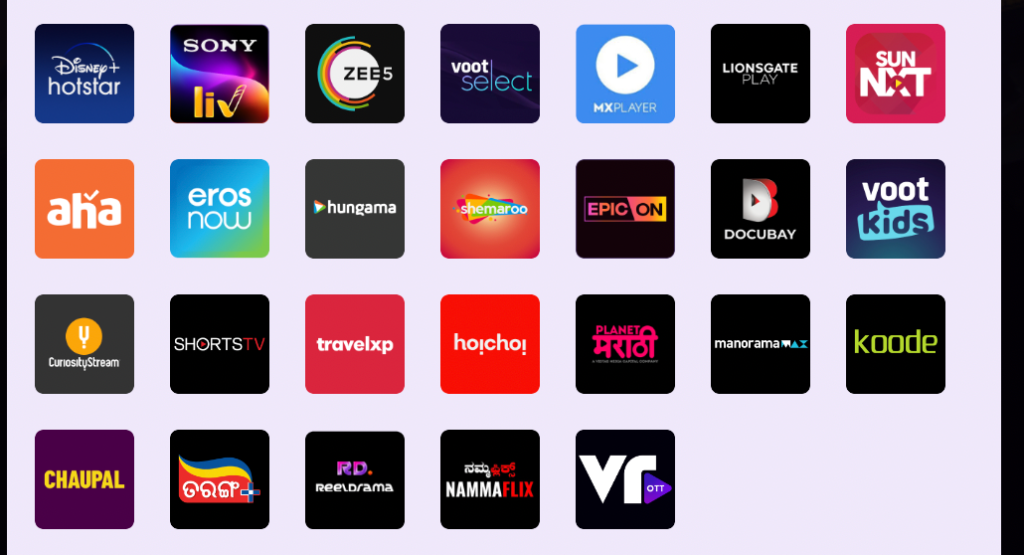
Understanding digital media options with formats, platforms and buying models explained for smarter advertising decisions.
Digital media has become the backbone of modern marketing in India. With audiences spread across search engines, social platforms, OTT apps, websites, and audio channels, brands today face a complex but opportunity-rich ecosystem. Therefore, understanding digital media options—formats, platforms, and buying models explained clearly— is essential for building effective, measurable, and scalable media strategies.
This guide breaks down digital media in a structured way, helping brands and marketers choose the right combinations instead of relying on isolated channels.
What Are Digital Media Options? A Simple Overview
Digital media options refer to the various formats, platforms, and buying models through which brands advertise online. Each option serves a different role in the marketing funnel—from awareness and engagement to conversion and retention.
In practice:
-
Formats define how ads appear
-
Platforms define where ads run
-
Buying models define how media is purchased and paid for
Understanding all three together ensures better ROI and smarter media planning.
Digital Advertising Formats Explained
Formats are the creative and functional shapes digital ads take. Over time, these have expanded from basic banners to immersive, interactive experiences.
Key Digital Media Formats
1. Search Ads
Text-based ads shown when users actively search for products or services. These are intent-driven and conversion-focused.
2. Display & Banner Ads
Visual ads placed across websites and apps, used primarily for awareness and retargeting.
3. Video Ads
Includes in-stream, out-stream, short-form, and long-form video formats. Video delivers high attention and storytelling value.
4. Social Media Ads
Feed ads, stories, reels, and lead ads that blend into social content environments.
5. Native Advertising
Sponsored content designed to match the look and feel of editorial platforms, improving trust and engagement.
6. Audio Ads
Music streaming, podcast, and online radio ads consumed during screen-free moments.
7. Influencer & Creator Content
Brand messages delivered through creators, often amplified with paid media for scale.
Each format plays a specific role. Therefore, effective campaigns combine multiple formats instead of relying on one.

Digital Advertising Platforms in India
Platforms are the environments where digital ads are delivered. India’s digital ecosystem includes global giants and regional leaders, offering massive reach and precise targeting.
Major Digital Media Platforms
-
Google – Search, display, YouTube, and performance-driven media
-
Facebook – Feed, stories, reels, and lead ads
-
Instagram – Visual, creator-led, and short-form video ads
-
YouTube – Long-form and short-form video advertising
-
LinkedIn – B2B targeting and lead generation
-
Disney+ Hotstar – Premium OTT ads and live sports advertising
-
Spotify – Music and podcast audio ads
Each platform attracts different user mindsets. As a result, platform selection must align with campaign objectives and target audiences.
Digital Media Buying Models Explained
Buying models define how advertisers pay for digital media and how performance is measured. Choosing the right buying model is as important as selecting the format or platform.
Common Digital Media Buying Models
CPM (Cost Per Thousand Impressions)
Used for awareness campaigns where reach and frequency matter most.
CPC (Cost Per Click)
Ideal for traffic-driven campaigns where users are expected to visit a website or app.
CPA (Cost Per Action)
Focused on outcomes like leads, installs, or purchases. Popular in performance marketing.
CPI (Cost Per Install)
Specifically used for mobile app acquisition campaigns.
Programmatic Buying
Automated media buying using real-time bidding, audience targeting, and data signals instead of fixed placements.
Sponsorship & Fixed Buys
Common in OTT, influencer, and content partnerships where premium visibility is required.
Because each model serves a different purpose, brands often use multiple buying models within a single campaign.

How Formats, Platforms & Buying Models Work Together
Digital success depends on integration. Formats attract attention, platforms provide reach, and buying models control efficiency.
For example:
-
Search ads on Google using CPC capture high-intent users
-
Reels ads on Instagram using CPM build discovery and awareness
-
OTT ads on Disney+ Hotstar using sponsorships drive premium brand recall
-
Influencer content amplified through paid media bridges trust and scale
Therefore, digital media planning is no longer about single-channel optimisation but about orchestrating multiple options together.
Why Understanding Digital Media Options Matters for Brands
With 100+ digital ad formats available today, brands risk fragmentation without clarity. Understanding formats, platforms, and buying models helps brands:
-
Avoid over-dependence on one channel
-
Allocate budgets efficiently
-
Match media choices to funnel objectives
-
Measure ROI more accurately
Moreover, it allows brands to adapt quickly as platforms and consumer behaviour evolve.
Conclusion: Clarity Is the Competitive Advantage
In conclusion, understanding digital media options—formats, platforms, and buying models explained clearly— empowers brands to make smarter media decisions. Formats define creativity, platforms define reach, and buying models define efficiency. When combined strategically, they transform digital advertising from fragmented activity into a scalable growth engine. Brands that master this understanding gain a lasting advantage in India’s fast-evolving digital media landscape.