Corporate Park Advertising for B2B and Premium Audience Targeting
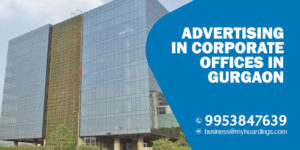
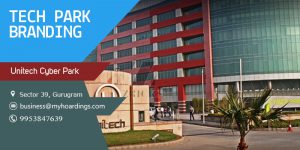
In the traditional world of marketing, “reaching the decision-maker” is often the hardest part of the job. You can spend lakhs on digital ads only to have them ignored by a CEO’s assistant or blocked by a browser. However, in 2026, brands are finding a bypass: Corporate Park Advertising. By placing your brand inside premium business hubs like Cyber City in Gurugram, BKC in Mumbai, or Manyata Tech Park in Bengaluru, you aren’t just buying ad space you are buying proximity to power. This is where the country’s top 5% of earners and corporate decision-makers spend at least 9 hours of their day.
1. The “Qualified Audience” Filter
The biggest advantage of corporate park branding is that the audience is already “pre-filtered.” When you advertise in a premium business park, you know exactly who is seeing your ad: C-suite executives, senior managers, and high-income tech professionals.
For B2B brands (like cloud services or HR tech) and premium B2C brands (like luxury cars or high-end real estate), this eliminates “wasteful” impressions. You aren’t paying to show your luxury watch ad to a student; you are showing it to a Director who just got a promotion.

2. Dwell Time in “Transition Zones”
Business parks are designed with specific “wait-and-walk” areas where professionals are at their most receptive.
-
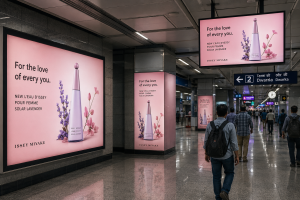
Lift Lobby Branding: This is the “high-dwell” jackpot. People often wait 30 to 60 seconds for an elevator. In 2026, digital screens in these lobbies show high-impact video content that catches people when they have nothing else to do but look up.
-
Cafeteria and Food Court Branding: During lunch hours, the corporate guard is down. Branding on table mats, digital screens, or standees in the food court allows a brand to engage with professionals in a relaxed, social environment.
3. Building “B2B Trust” Through Physical Presence
In the B2B world, trust is the only currency. A software company that only exists on a LinkedIn ad might feel “risky.” But when a CTO sees that same company’s branding on the glass facade of their own office building or on the digital kiosks in the lobby, the brand gains “Institutional Credibility.” It feels like a peer a company that is successful enough to occupy the same premium physical space as the giants.
4. Digital Out-of-Home (DOOH) and Programmatic Precision
In 2026, corporate park screens are smart. Using Programmatic DOOH, a brand can choose to play its ads only during “peak” hours like 8:30 AM to 10:30 AM when people are arriving, or 5:00 PM to 7:00 PM when they are leaving. Some screens even use anonymous sensors to detect “audience density,” ensuring your ad only plays when the lobby is full. This data-driven approach allows for high-tech precision in a physical environment.

5. The “Last Mile” to the Paycheck
Corporate park advertising is strategically placed near the source of income. For banks, investment firms, and luxury lifestyle brands, this is the ultimate “point of influence.” By showcasing an ad for a premium credit card or a luxury holiday package right where the paycheck is earned, the brand creates a direct psychological link between “Work” and “Reward.”
Conclusion
Corporate park advertising is the “Executive Class” of outdoor media. It offers a clean, clutter-free environment to talk to India’s most influential audience. In a world where digital noise is deafening, standing tall in the lobby of a skyscraper is the most sophisticated way to say, “We belong here, and so do you.”